News
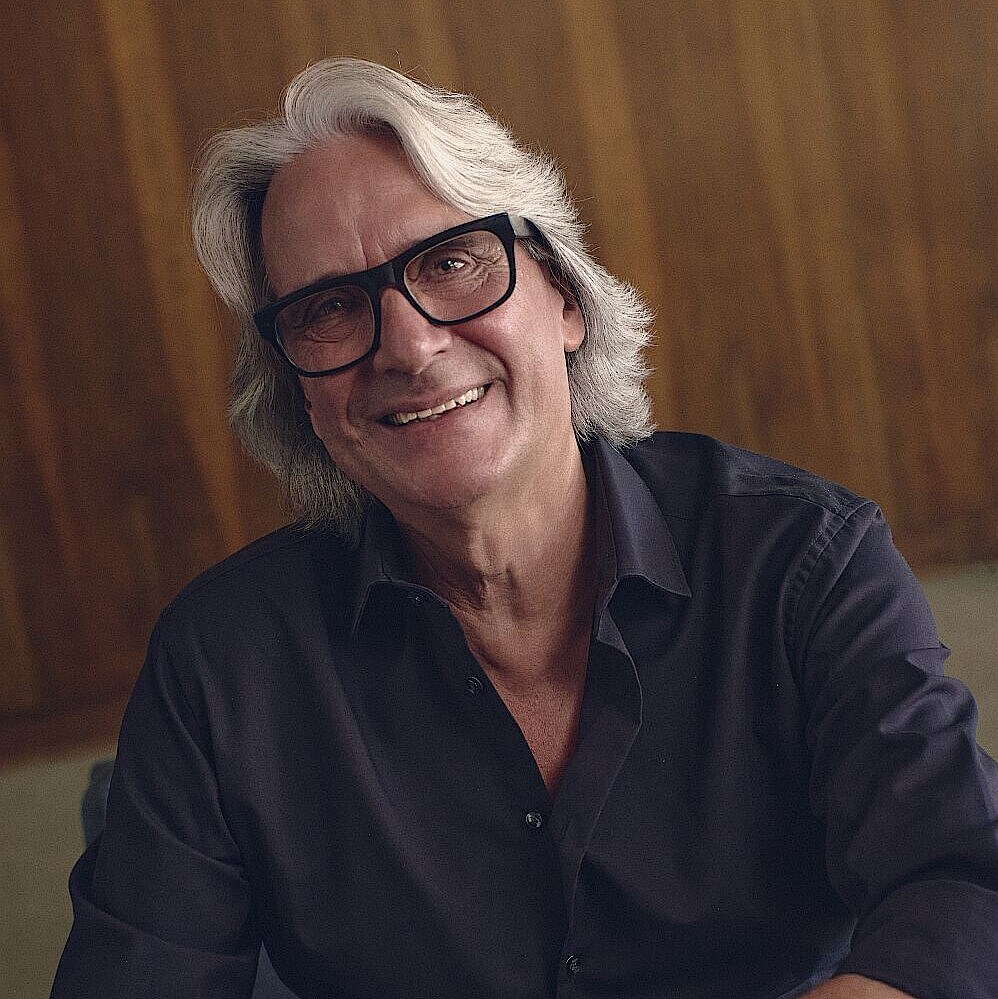
A celebratory farewell
Born in Linköping, Sweden, Tomas Karlborg trained at the ballet school of the Royal Swedish Opera. Upon completing his training in 1980, he joined the Norwegian National Opera Ballet. In 1981, he moved to Germany, initially joining the ballet company of the Bonn Opera. In 1983, he became a member of the ballet company of the Deutsche Oper Berlin, where he was promoted to Soloist in 1986 and appointed Principal Dancer in 1989.
Among the most significant roles in his repertoire were Onegin and Prince Gremin in Cranko’s Onegin; the Leader in Maurice Béjart’s Le Sacre du printemps; Wotan and Gunther in Béjart’s Ring um den Ring; the Partisan in Béjart’s The Firebird; von Erztum, opposite Natalia Makarova, in Roland Petit’s The Blue Angel; Phoebus in Petit’s Notre-Dame de Paris; Swann and Charlus in Petit’s Les Intermittences du cœur; King Mark in John Neumeier’s Tristan and Isolde; the Stepmother, dancing on pointe, in Valery Panov’s Cinderella; the Moor in Harris Mandafounis’ Petrushka; the Inquisitor, a spoken role, in Christopher Bruce’s Cruel Garden; Madge in Peter Schaufuss’ La Sylphide; and Dr Coppelius in Ronald Hynd’s Coppélia.
He also performed an extensive repertoire of works by George Balanchine, including the leading male roles in Serenade and Agon. Over the years, he mastered a substantial part of the Deutsche Oper Berlin’s ballet repertoire, establishing himself as a versatile performer across classical, contemporary and experimental works.
From 1999 onwards, Karlborg worked as a ballet master and rehearsal director, joining the Staatsballett Berlin in 2004. He continued to appear on stage in character roles until quite recently, delighting audiences as Stahlbaum in The Nutcracker, the Rajah in La Bayadère and Lord Capulet in Cranko’s Romeo and Juliet. Since the beginning of the 2023/24 season, he has been working in the Artistic Administration Office.
“I simply wanted to dance, seven days a week,” Tomas recalled in 2026. “And the more you dance, the more demanding the roles become. It’s like a drug, an adrenaline rush.” His passion for dance also sustained him through the second major chapter of his professional life. For no less than 23 years, he worked as a ballet master, spending virtually every day in the studio, teaching company class and rehearsing with the dancers.
What will remain particularly memorable is his infectious enthusiasm and the sheer joy with which he led rehearsals, even in the eye of the storm during large ensemble scenes. Equally unforgettable are the quieter, more personal corrections he offered in the solo rehearsals entrusted to him. He would sometimes invite others to join these sessions, eager to share his excitement about the casts he was working with on productions such as Cranko’s Onegin or Balanchine’s Rubies.
His enthusiasm was so infectious that he was regularly chosen to host Training zum Zuschauen (Open Rehearsal: Ballet Class), microphone in hand, on the main stage. The format brought the dancers’ daily class into the spotlight, giving audiences the opportunity to celebrate what might otherwise seem like an entirely everyday part of a dancer’s life. In 2021, his distinctive approach to teaching reached audiences around the world when an online stream of one of his ballet classes for World Ballet Day went viral, attracting millions of views.
The Staatsballett Berlin is delighted that Tomas Karlborg has felt so much at home as part of the company and the wider team. His energy and enthusiasm will be greatly missed! We are grateful to have had him with us and wish him a fulfilling and well-deserved retirement. We hope he will remain close to the Staatsballett Berlin after such a long and distinguished career, and that he will come back to visit whenever he can, together with his wife Patricia or the rest of his family.
In recognition of his outstanding contribution to dance and ballet in Berlin, the Staatsballett Berlin is honoured to award Tomas Karlborg Honorary Membership.